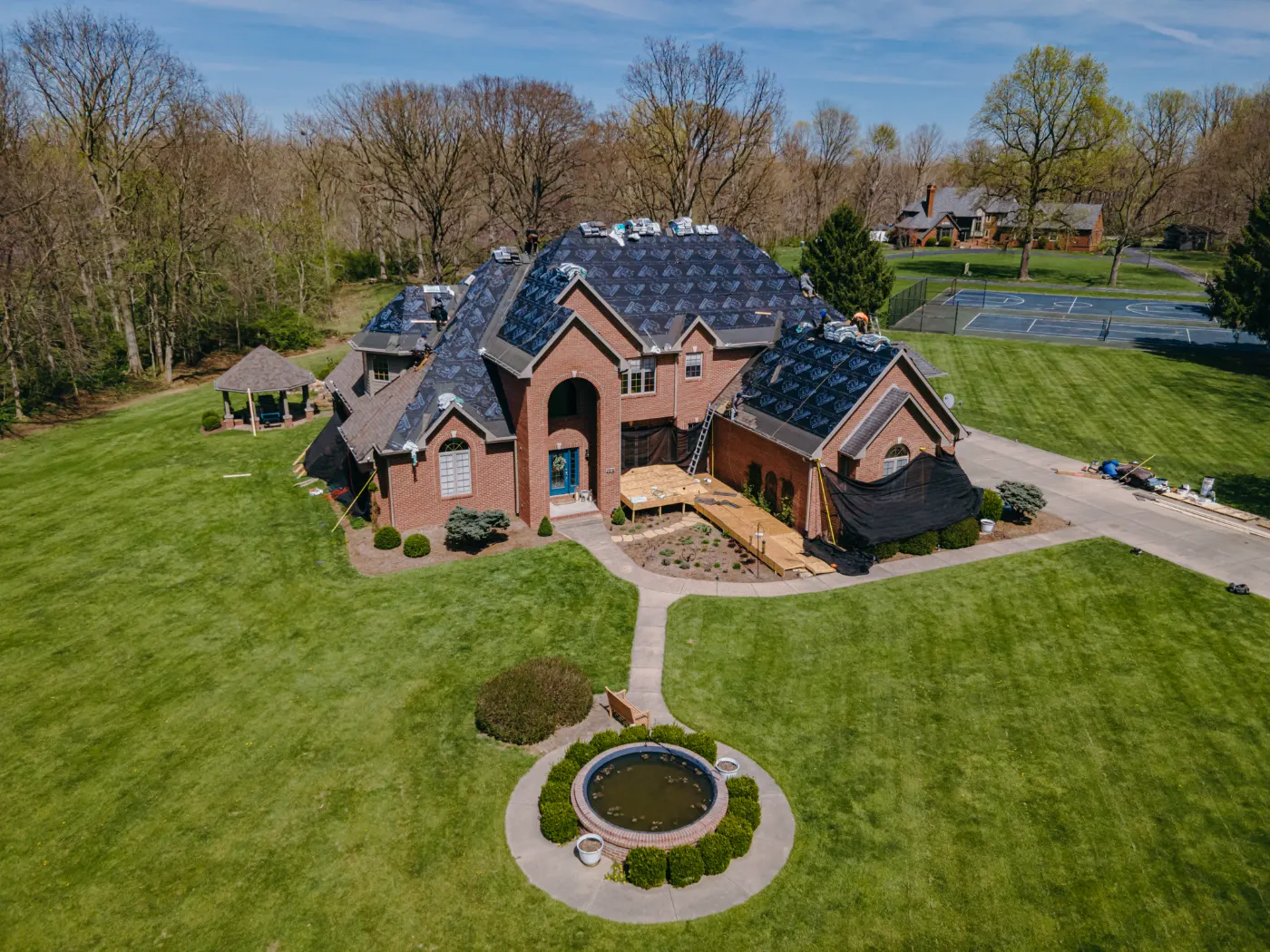
Roofing Contractors Who Answer the Phone in Glenwood
Glenwood Roofing provides roof inspections, repairs, and full replacements for Glenwood homeowners dealing with storm damage or an aging roof. Licensed and insured in Indiana, we offer free inspections and written estimates so you know exactly what your roof needs before any work starts.
If we're busy helping someone else and miss your call, we'll call you back within 15 minutes.



Storm damage in Glenwood? Glenwood Roofing inspects, documents panel by panel, and meets your adjuster on the roof speaking their language. Call (463) 220-0721.
- Services: roof inspections, roof repair, emergency roof repair, roof replacement
- Service area: Glenwood, Rush, IN and surrounding areas
- Response: Active leaks in Glenwood get priority tarping and crews; inspections scheduled fast
- Licensed and insured (License #RC21100059)
- Serving Glenwood, IN since 2018
Schedule Your Free Roof Inspection
A roof inspection on a Glenwood home is a full walkthrough of the roof system, not a quick glance from the driveway. Our crew checks shingle condition for hail bruising, cracking, curling, and granule loss, then examines flashing around chimneys, vents, and valleys where leaks usually start. We look at problem areas like ridge caps, drip edge, and any spots where trees have dropped debris or where moss has taken hold. Everything is documented with photos so you see what we see. For older Glenwood roofs sitting near or past the 20 to 25 year mark, a thorough inspection catches the small issues before they turn into interior damage and a much bigger bill.
I agree to be contacted by Glenwood Roofing regarding my inquiry.
DIY roof repairs cost Glenwood homeowners more than the leaks they chase. Roofing cement smeared over a flashing gap traps water behind it, a hardware store shingle face nailed into the field opens four new holes, and silicone over a cracked boot buys one season and hides the problem for two. Across Rush, the most expensive repairs are the ones that have already been repaired.
Repair before replacement is the Glenwood Roofing rule across Glenwood, every time repair is real. Ten shingles, a cracked boot, and a resealed valley cost a fraction of a tear off, and a roof with years left deserves to keep them. When replacement is the honest answer, Rush homeowners hear why, with photos attached, and when it is not, they hear that too, even though it pays us less.
Managing rental roofs across Rush? Glenwood Roofing onboards landlords with a portfolio walk: every roof documented, prioritized, and put on a calendar, with one contact for all of it and invoices sized to the work. Call (463) 220-0721. Glenwood portfolio owners who found one straight roofer tend to stop shopping, and the model is built on exactly that.
Payment Options That Work for You
Insurance settlements rarely arrive right after the damage happens. Financing bridges the gap so your roof gets fixed on the right timeline, not the carrier's.
Pay for your project at a later time, but lock in today's pricing. Ideal for homeowners waiting on insurance settlements.
- No payments for 12 months
- No interest if paid in full
- Lock in current pricing today
Divide your project cost equally across 12 months with zero interest. Most homeowners choose this option for predictable budgeting.
- Equal monthly payments
- 0% interest for 12 months
- Simple, predictable budgeting
Spread your investment over up to 20 years with fixed equal payments. The right choice for larger projects or homeowners who prefer lower monthly amounts.
- Up to 20-year terms available
- Fixed equal payments
- Ideal for larger projects
Financing provided by Slice, Foundation Finance, Regions. Subject to credit approval. Rates, terms, and promotional periods are set by the lender and disclosed in writing before you sign.
The Full Glenwood Roofing Menu
Roofing work at Glenwood Roofing spans inspections through full replacements, and the crews are manufacturer-certified with documentation you can read.
Roof Inspections in Glenwood
Free on roof inspections for Glenwood homeowners, checking shingles, flashing, and problem areas with photo documentation of everything we find. Useful before buying, after a storm, or when the roof is aging.
Learn moreRoof Repair in Glenwood
Targeted roof repair for Glenwood homes with localized damage, including shingle replacement, flashing repair, sealing failed penetrations, and addressing wind lifted or hail damaged sections before the problem spreads.
Learn moreEmergency Roof Repair in Glenwood
Emergency roof repair for Glenwood homeowners after a storm, focused on stopping active water intrusion and securing damaged sections of the roof until a full repair or replacement can be scheduled.
Learn moreRoof Replacement in Glenwood
Full roof replacement for Glenwood homes, including tear off of the existing roof, deck inspection, new underlayment, flashing, and shingles installed to manufacturer specifications with a written scope of work.
Learn moreDesigner Roofing in Glenwood
Designer roofing options for Glenwood homeowners wanting a premium look, including higher end shingle profiles and enhanced color and texture choices that upgrade curb appeal beyond standard architectural asphalt.
Learn more
Local Expertise, Real Results
The same person who walked your roof is the person who answers when you call back.
Hail does its damage in seconds and hides it for months. Glenwood Roofing inspects Glenwood roofs the way adjusters do, documents functional damage honestly, and tells you plainly when a roof does not need work.
Glenwood Roofing serves Glenwood and the surrounding Rush County communities, including Milroy, New Salem, Carthage, and nearby towns like Rushville and Connersville. Founded in 2018 by Aaron Christy, who has been featured on FOX59, WISH TV, and RTV6, the company has spent years doing roofing work across central Indiana small towns much like Glenwood. Our crews are local, licensed, and insured, operating under Indiana license RC21100059. When a Glenwood homeowner calls, they get people who understand the older wood frame housing stock in Rush County and how central Indiana weather wears on it.
The way we work in Glenwood is straightforward. Every project starts with a thorough on roof inspection, and we document what we find with photos so you can see the condition of your shingles, flashing, and problem areas for yourself. From there you get an honest written estimate with a clear scope, no vague line items, and no pressure. Once work begins, the crew handles the roof cleanly, protects the property around the house, and treats the finished job the way we would want our own homes treated. No brochure talk, just careful roofing work.
Our Promise
Every Glenwood homeowner who calls Glenwood Roofing gets three commitments. First, a free on site roof inspection before anything is quoted or scheduled, no obligation attached. Second, an honest written estimate that lays out the scope in plain language, so there are transparent line items after the fact. Third, clean workmanship backed by a workmanship warranty in addition to the standard manufacturer coverage on the materials we install. That is the baseline, not the ceiling.
The Standard We Hold on Glenwood Roofs
Quality materials, thorough inspections, and pricing you can see clearly, for Glenwood and Rush.
Storm And Hail Response
After a wind or hail event, we prioritize storm calls and get out to look at the roof promptly. We check for lifted or torn shingles, hail bruising, and displaced flashing, then document everything with photos. That way you know what actually happened up there before you decide on repair, replacement, or a claim.
Built For Glenwood Homes
Much of the Glenwood housing stock is early to mid 1900s wood frame with simple gabled roofs, and most current shingles are on their second or third generation. We know how these older decks and framing behave, and we adjust the work accordingly. That local familiarity keeps surprises off your invoice.
Inspection Through Completion
We cover the full arc of the roof: inspection, written estimate, tear off if needed, installation, and final walkthrough. One crew, one point of contact, one scope of work. You are not handed off between crew halfway through the job.
Insurance Documentation Done Right
Storm claims live or die on documentation. For Glenwood roofs with wind or hail damage, we photograph conditions, note the failure modes, and package findings clearly so your carrier and adjuster have what they need. We work alongside you through the process without overpromising the outcome.
Real Jobs. Real Results.
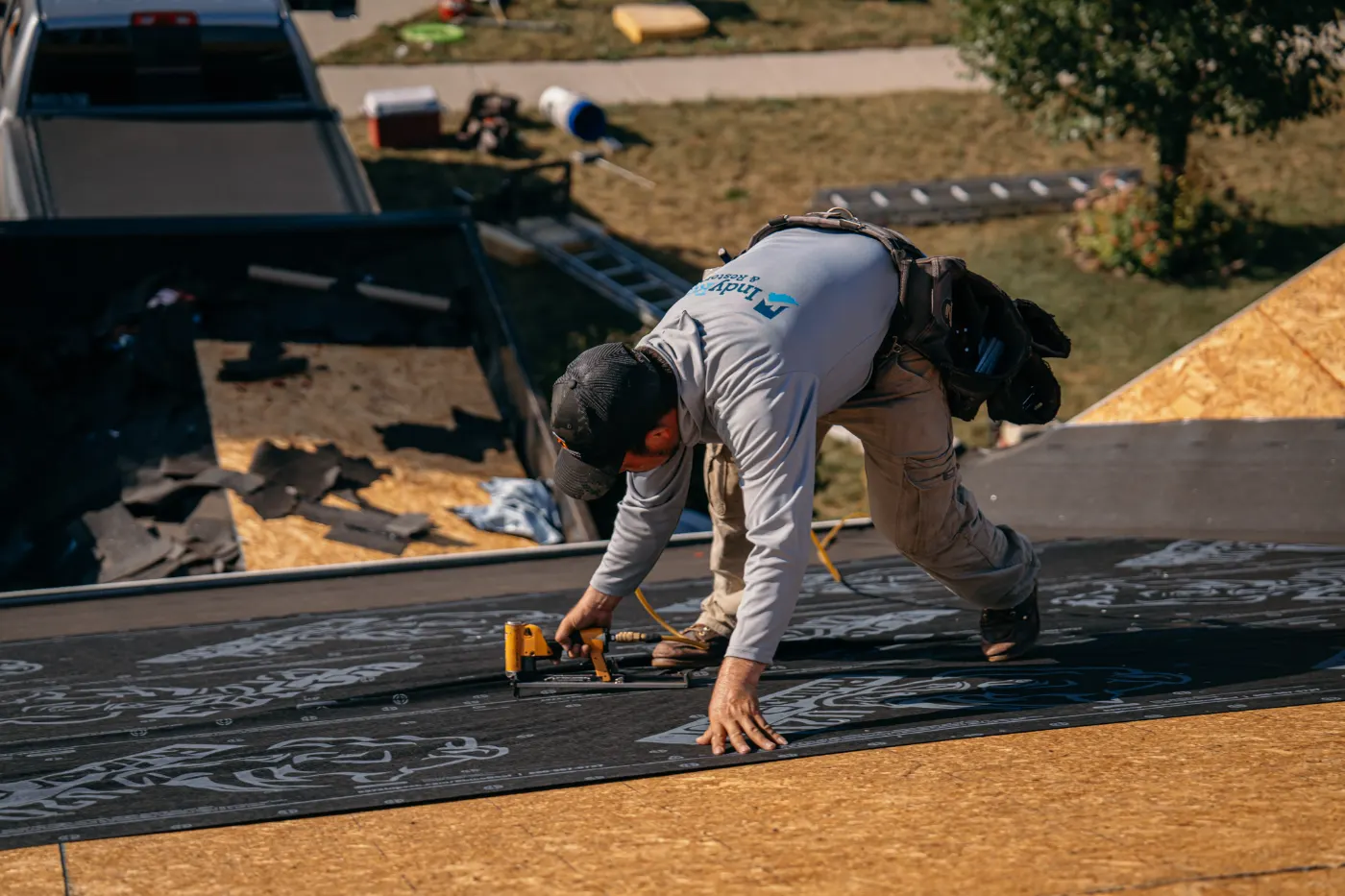
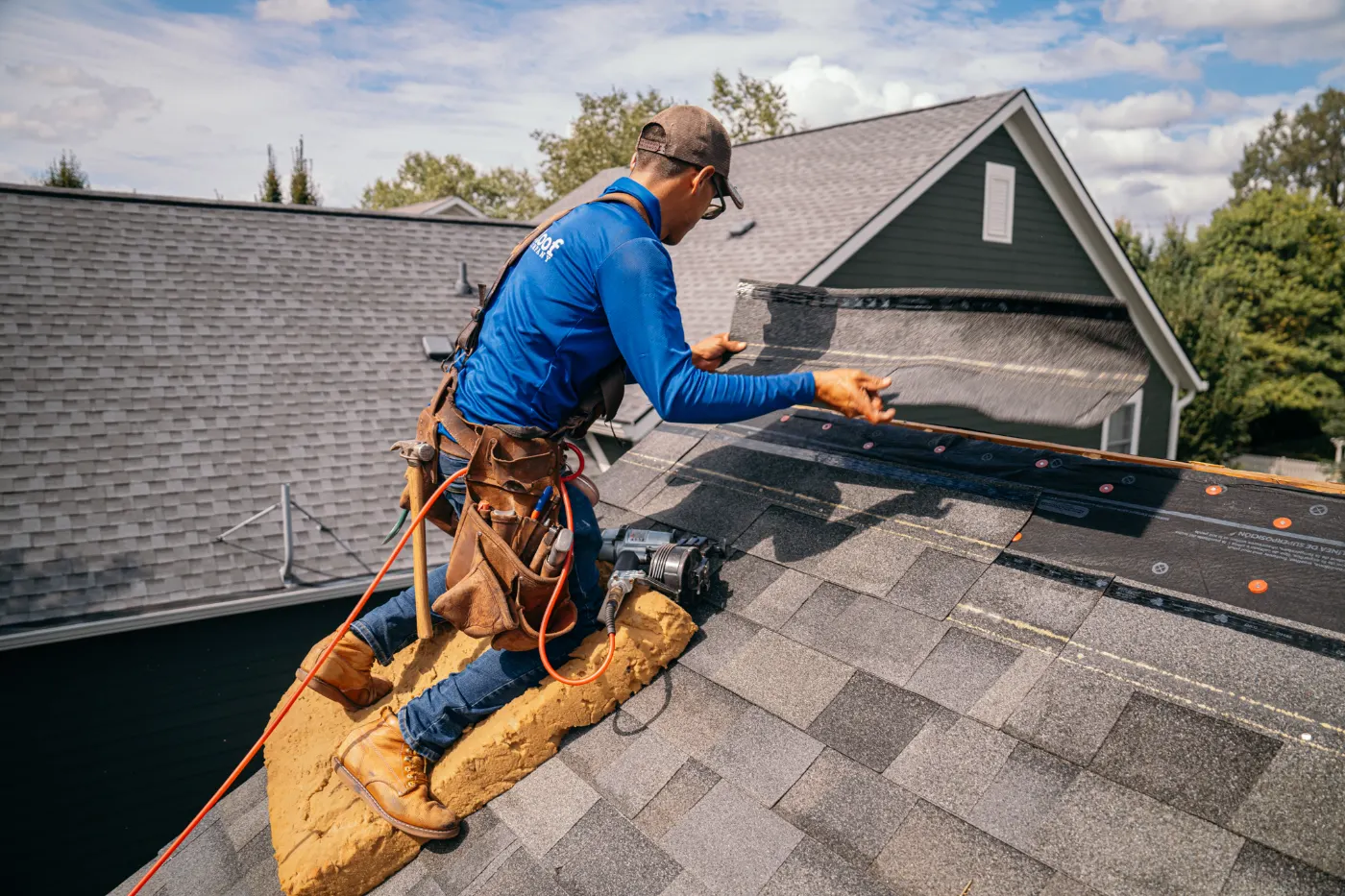
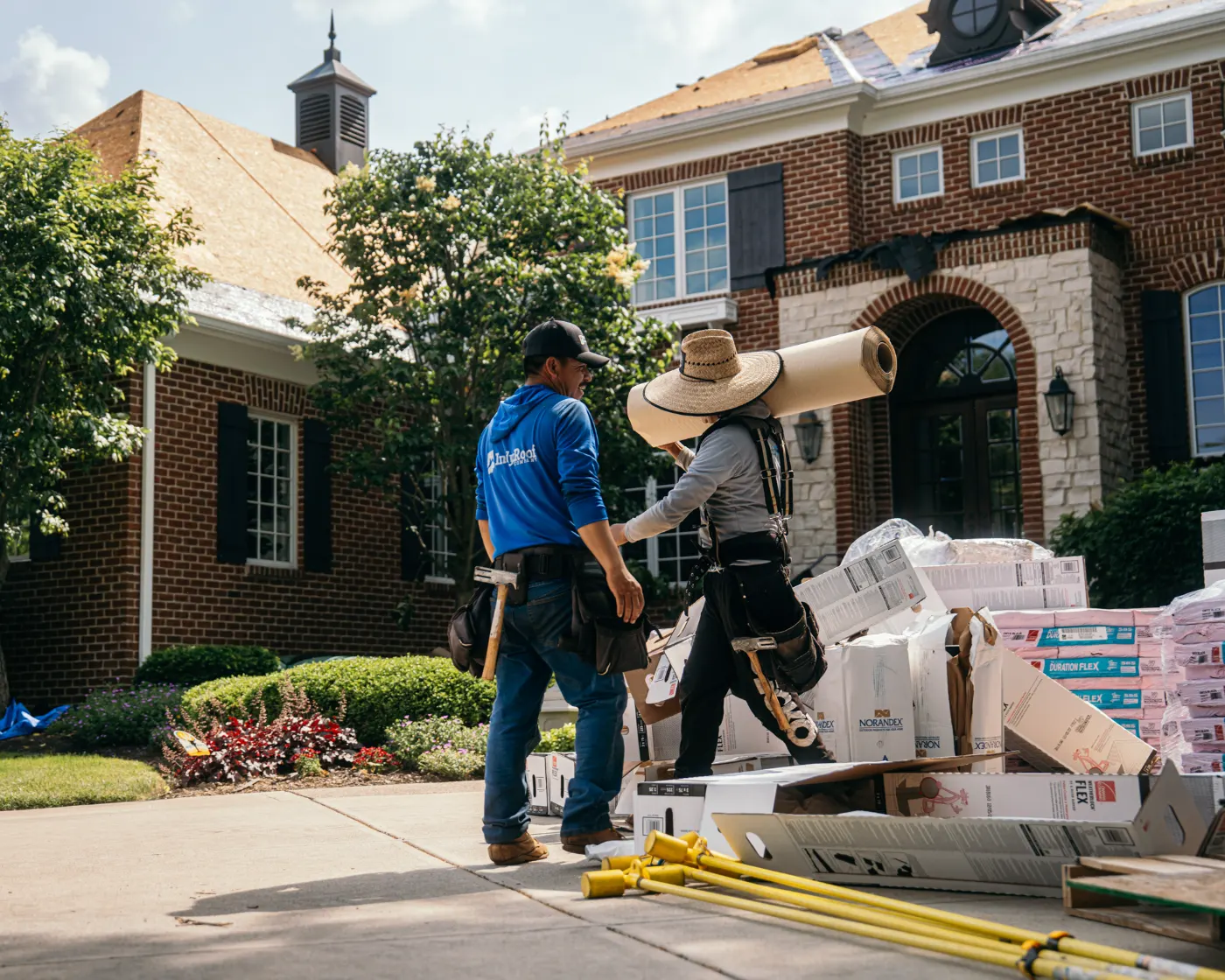
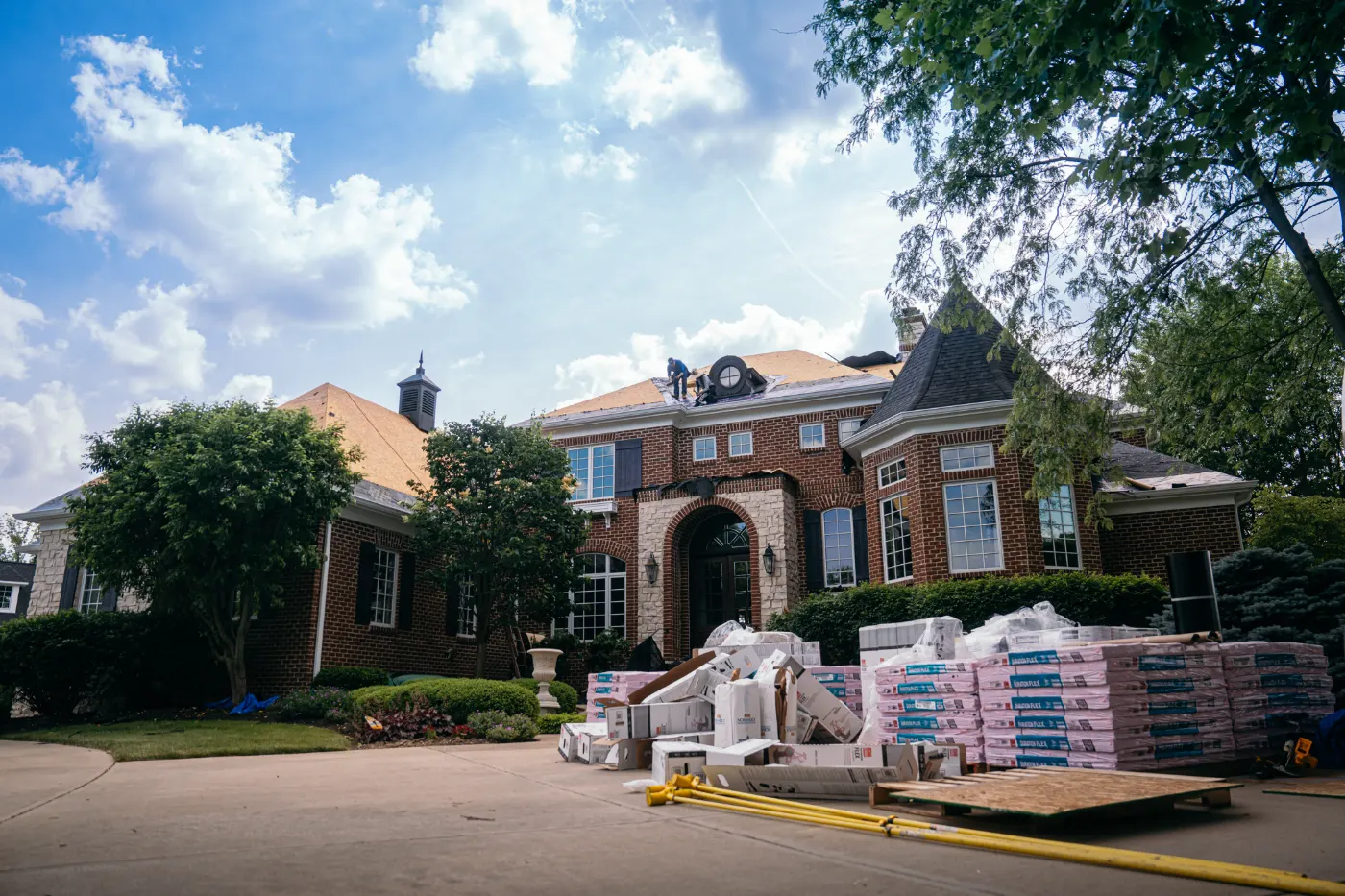
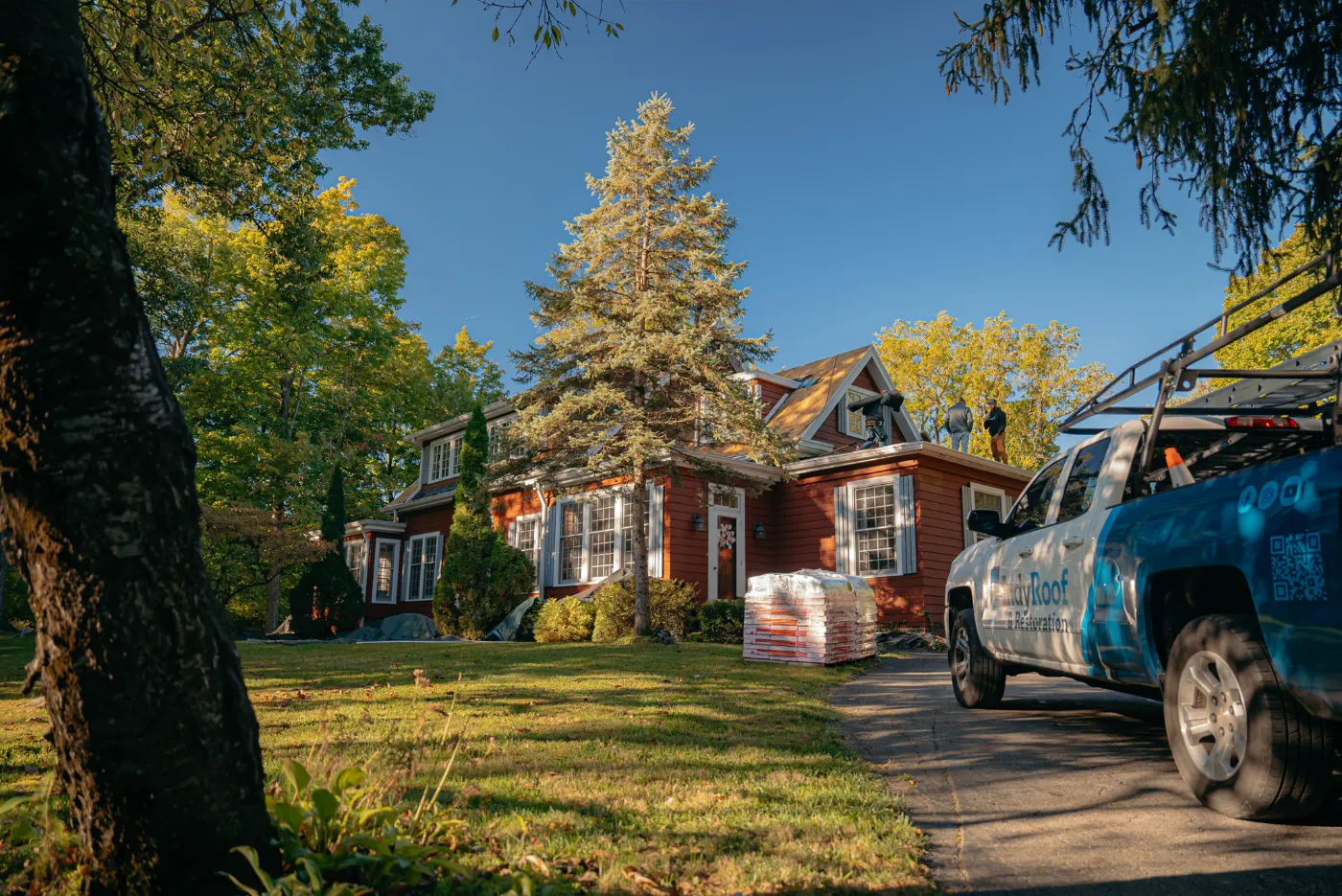
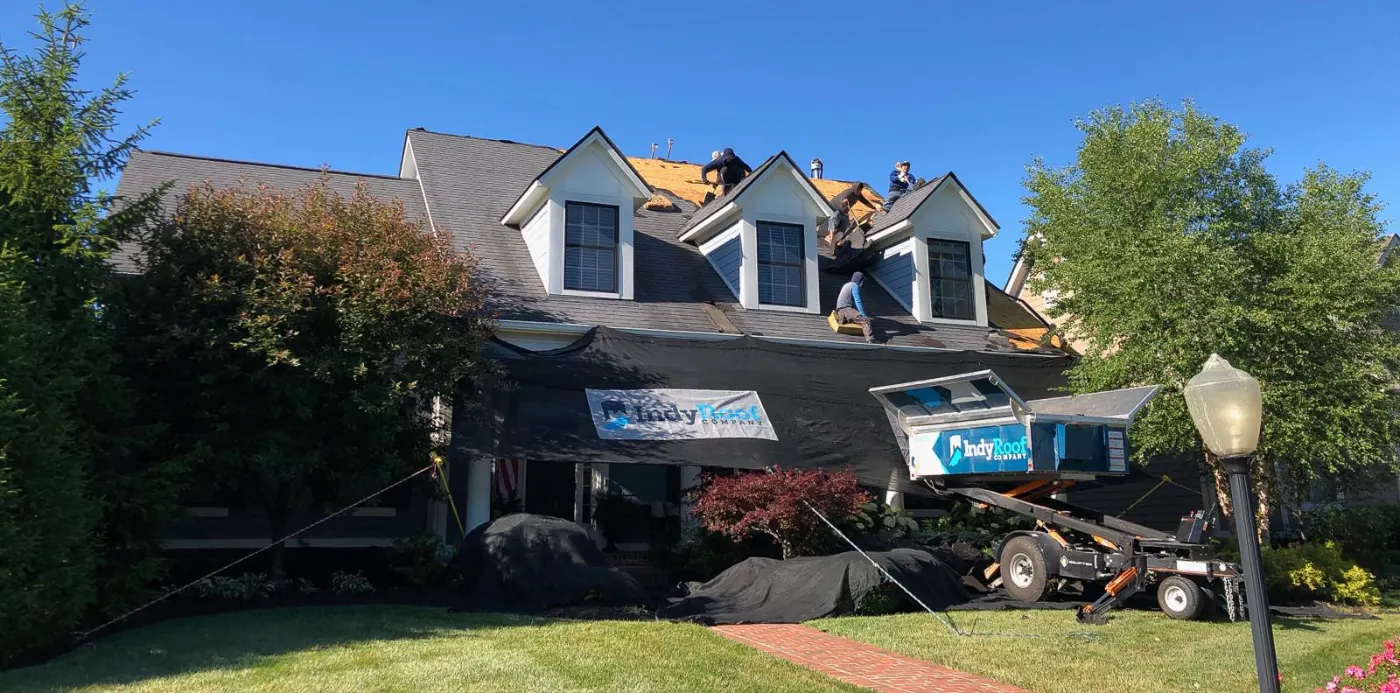
Photos from recent roofing projects completed by our manufacturer-certified crew across Glenwood and Rush. Every project is documented with photos and a written closeout package.
Our Approach on Glenwood Roofs
Every Glenwood project starts with the inspection. We climb the roof, walk it methodically, and check shingles, flashing, penetrations, valleys, and ridge lines for storm damage, age damage, or workmanship issues from a previous install. Photos are taken as we go so nothing gets described in vague terms. If we find hail bruising, wind lift, granule loss, or failed flashing, you see it before we write anything up. The scope of work is defined only after we know what the roof actually needs, not before.
Once the inspection is complete, you get a written estimate that spells out the scope in plain language. If the damage traces back to a storm event, we help package the photo documentation and inspection findings for your insurance carrier and adjuster. works with your insurance carrier, and we do not name policies or promise coverage outcomes, that stays between you and your insurer. What we do is make sure the Glenwood homeowner has a clear, honest record of the roof condition to hand over. From there you decide how to proceed.
When work is approved, we schedule the job and the Glenwood crew arrives ready. The property gets protected with tarps and ground cover around landscaping and driveways, tear off is contained, and the new roof is installed to manufacturer specifications. Ridge vents, flashing, drip edge, and underlayment are addressed as part of the scope, not treated as afterthoughts. At the end, we walk the roof and the yard with you, magnet sweep for nails, and haul debris off site. You are left with a finished roof and a clean property.
Free Roof Inspection
We come out, climb the roof, and check shingles, flashing, and problem areas for Glenwood homeowners at no cost. Photos document everything we find. You get a clear picture of your roof condition before any decision about repair or replacement.
Honest Written Estimate
After the inspection, you receive a written estimate with the scope in plain language. Line items are described in words a homeowner can read, not trade code. No surprise charges show up later once the work is underway.
Insurance Documentation
When storm damage is involved, we document conditions thoroughly and provide the photos and findings you need for your carrier. We work with your insurance carrier and adjuster on the roofing scope. works with your insurance carrier, that stays your relationship.
Clean Workmanship, Final Walkthrough
The crew installs the roof to manufacturer specifications, protects landscaping and driveways, and cleans the property when finished. We walk the completed roof with you and sweep for stray nails. The job is not done until you have signed off.
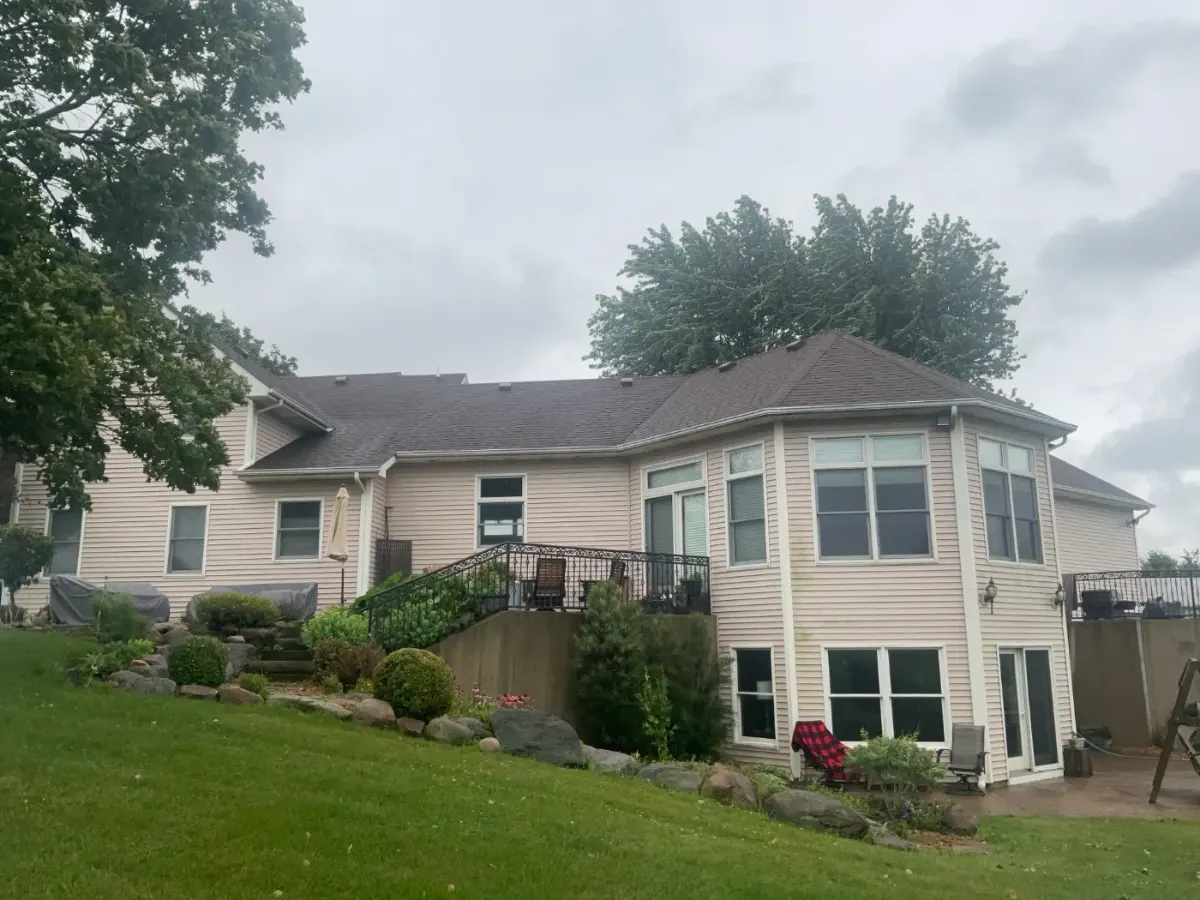
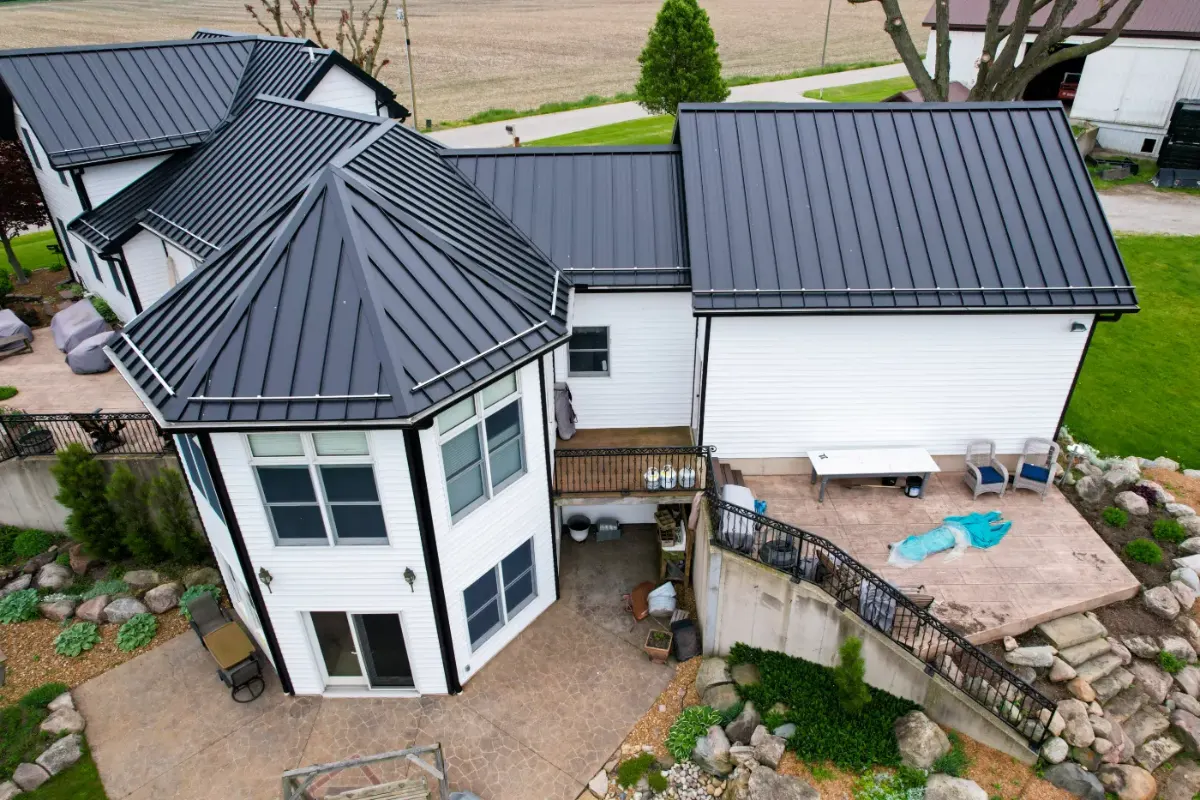
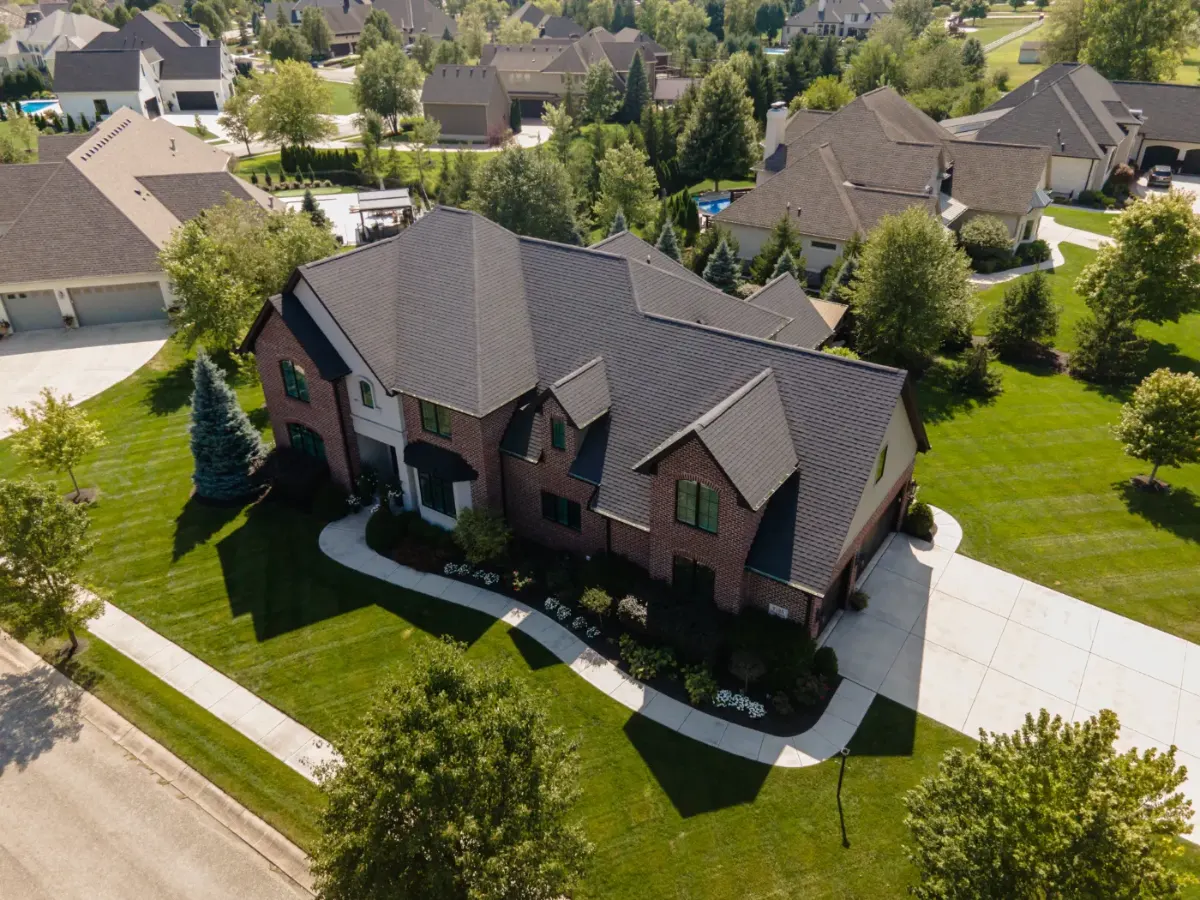
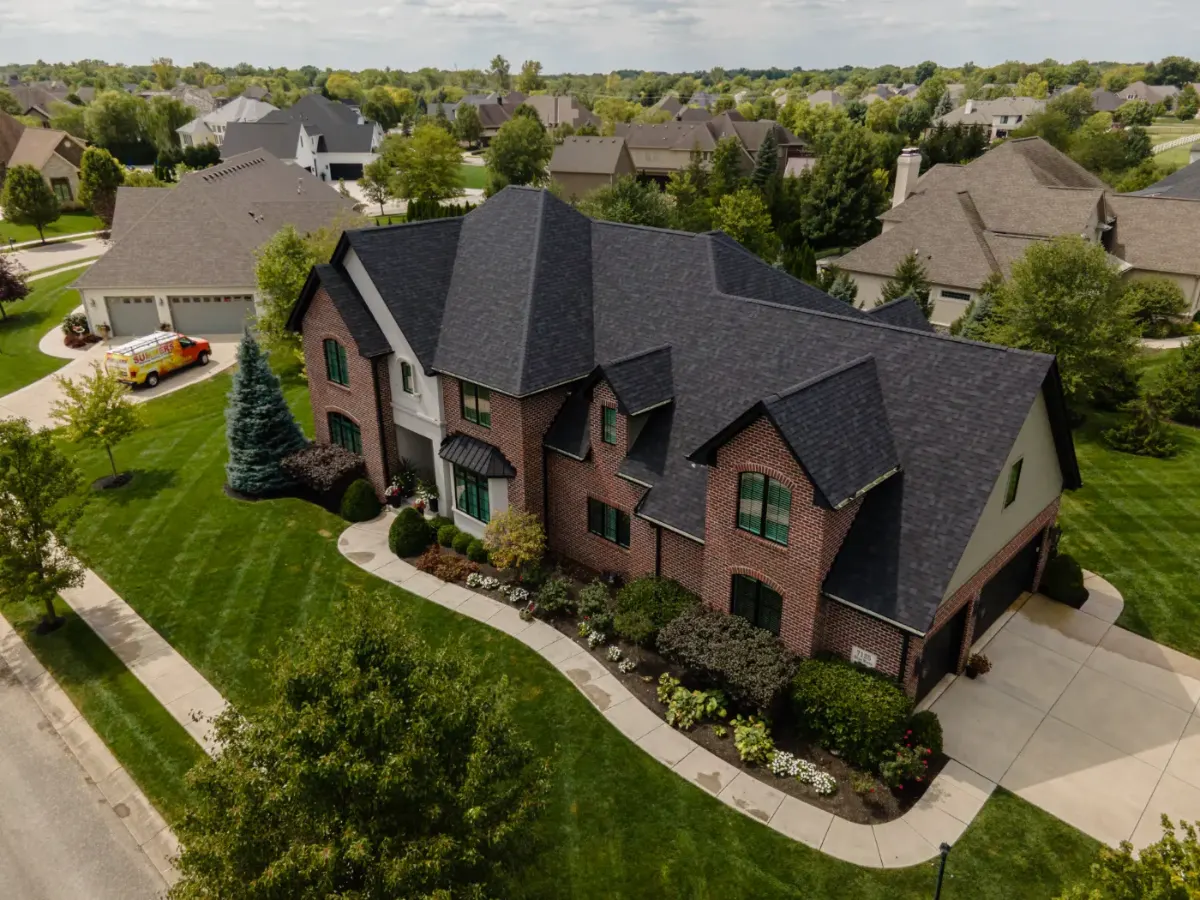
Recent Glenwood Roofing Projects
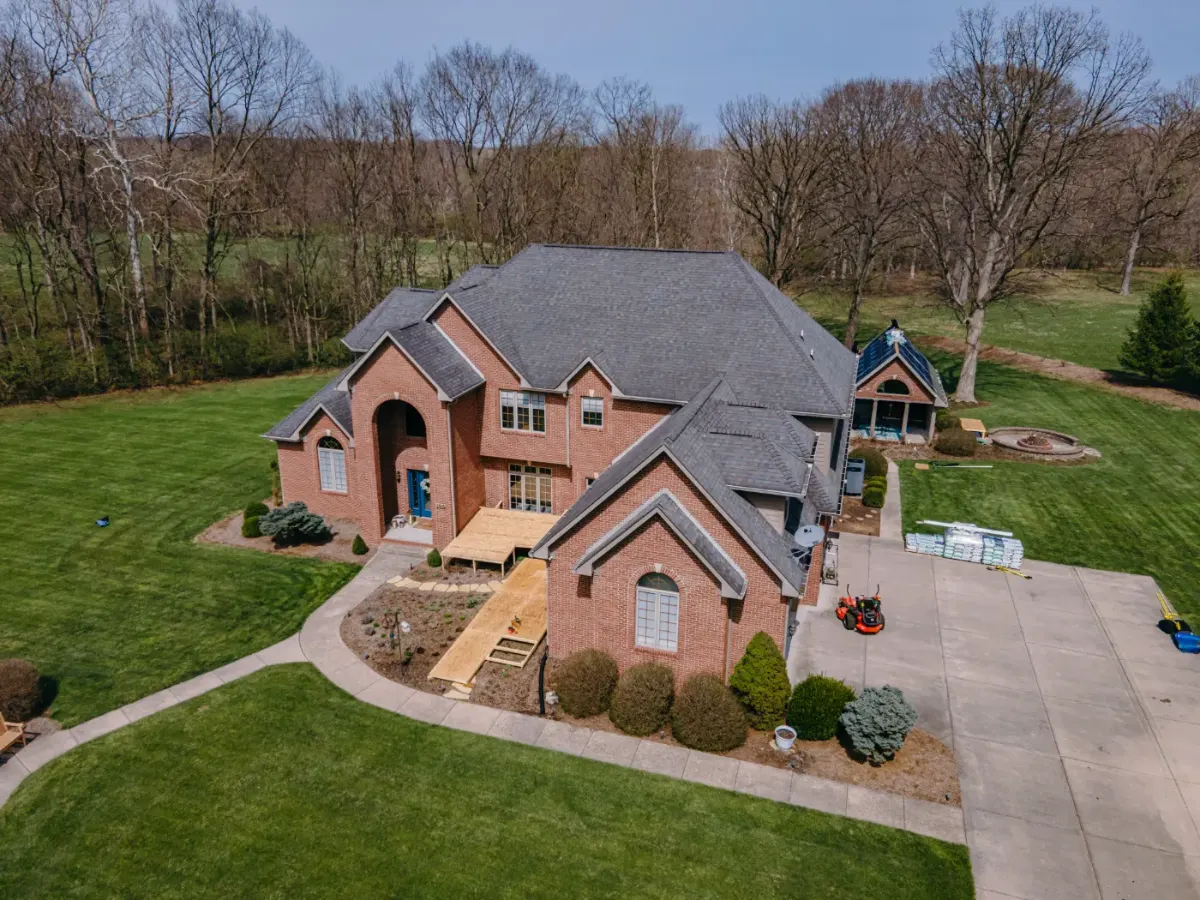
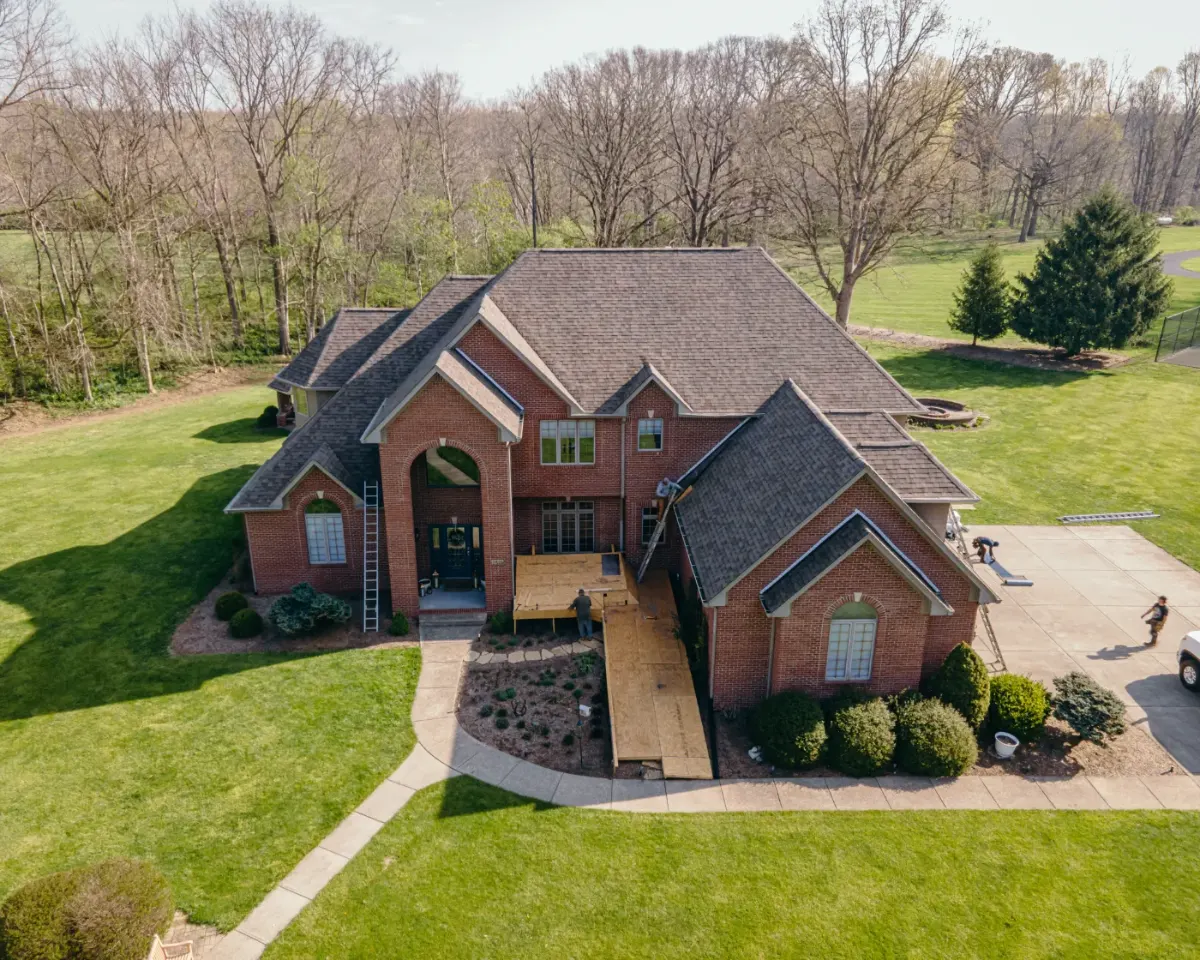
5 before-and-after projects documented for the homeowner and the homeowners insurance carrier.
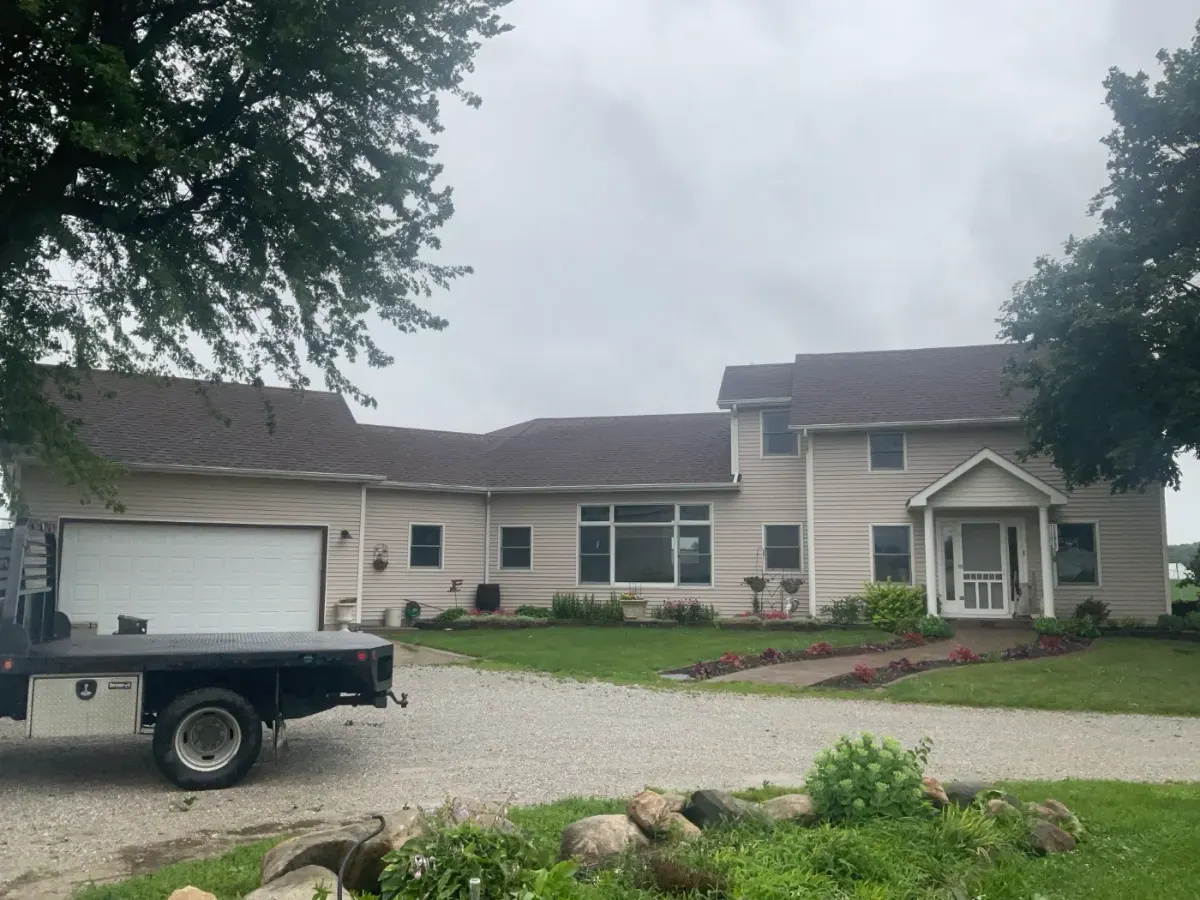
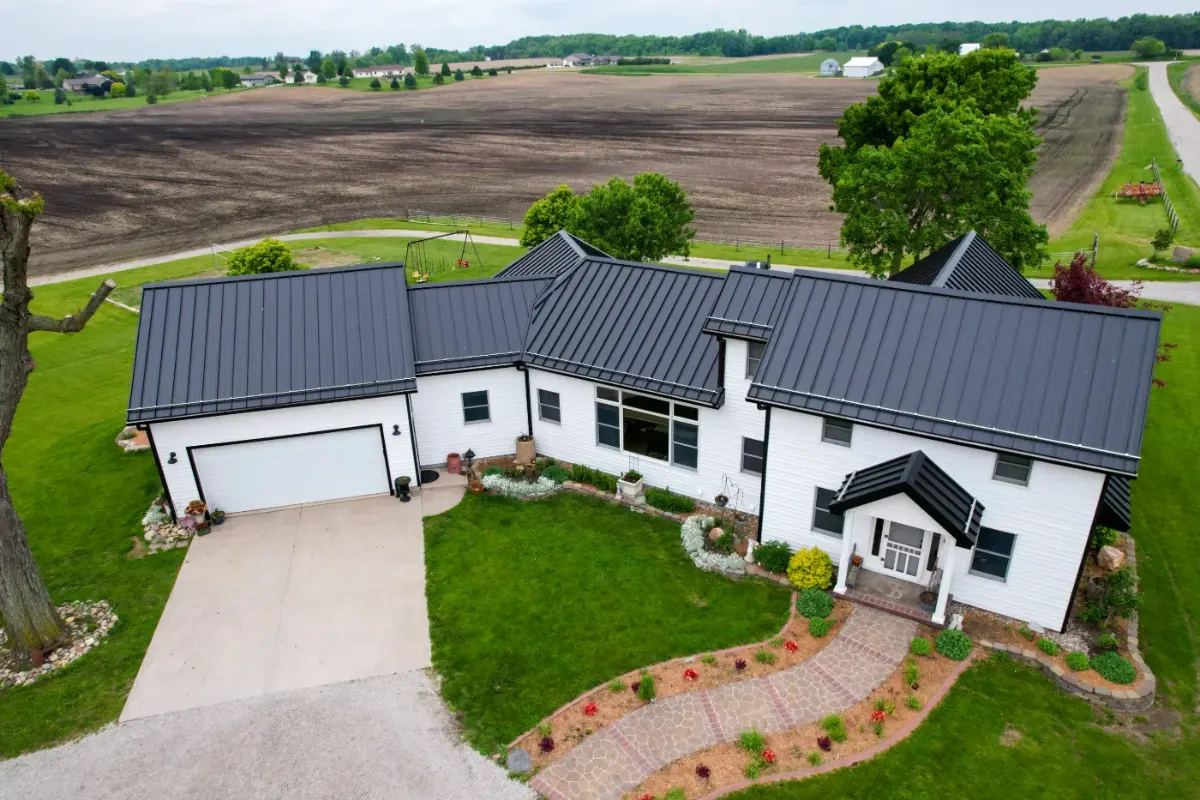
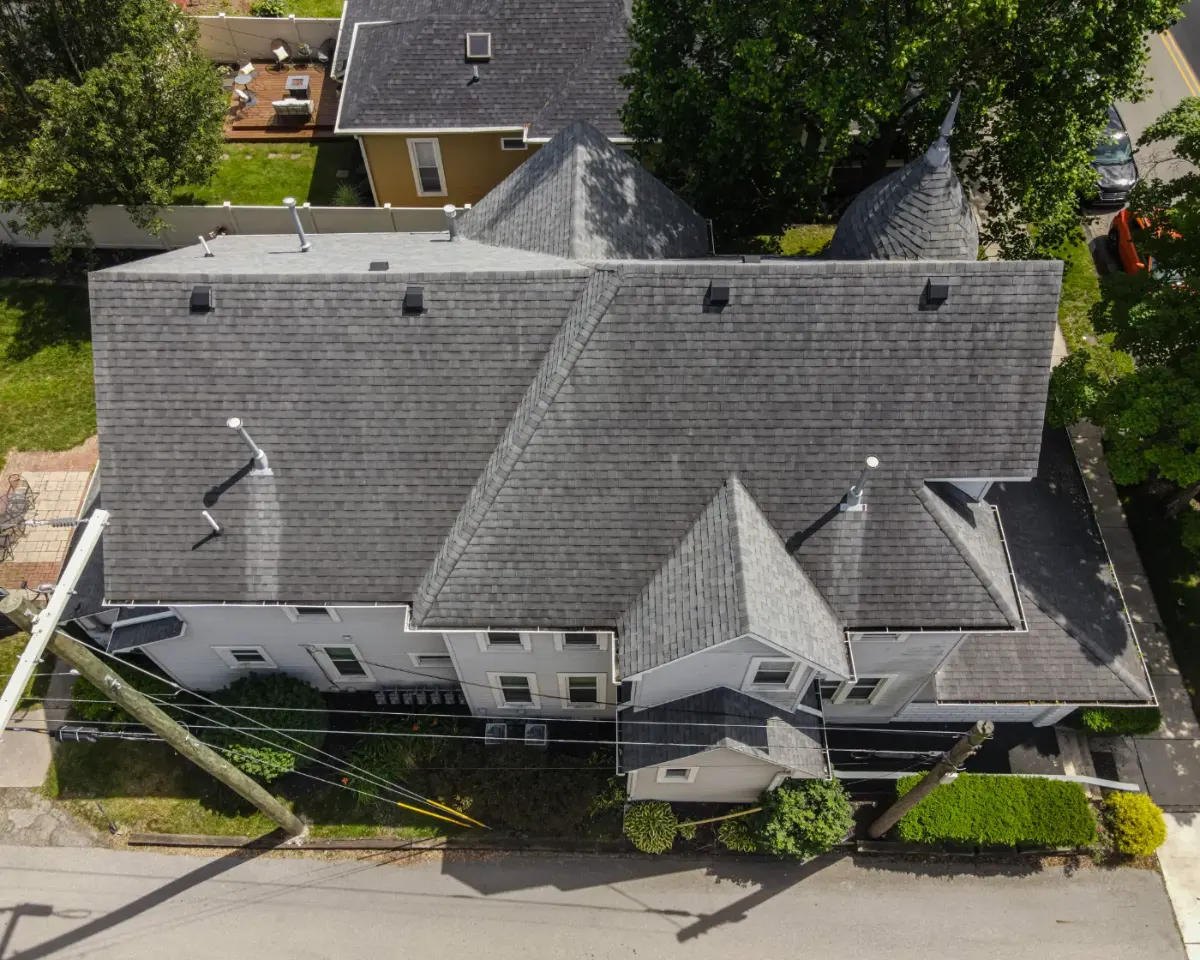
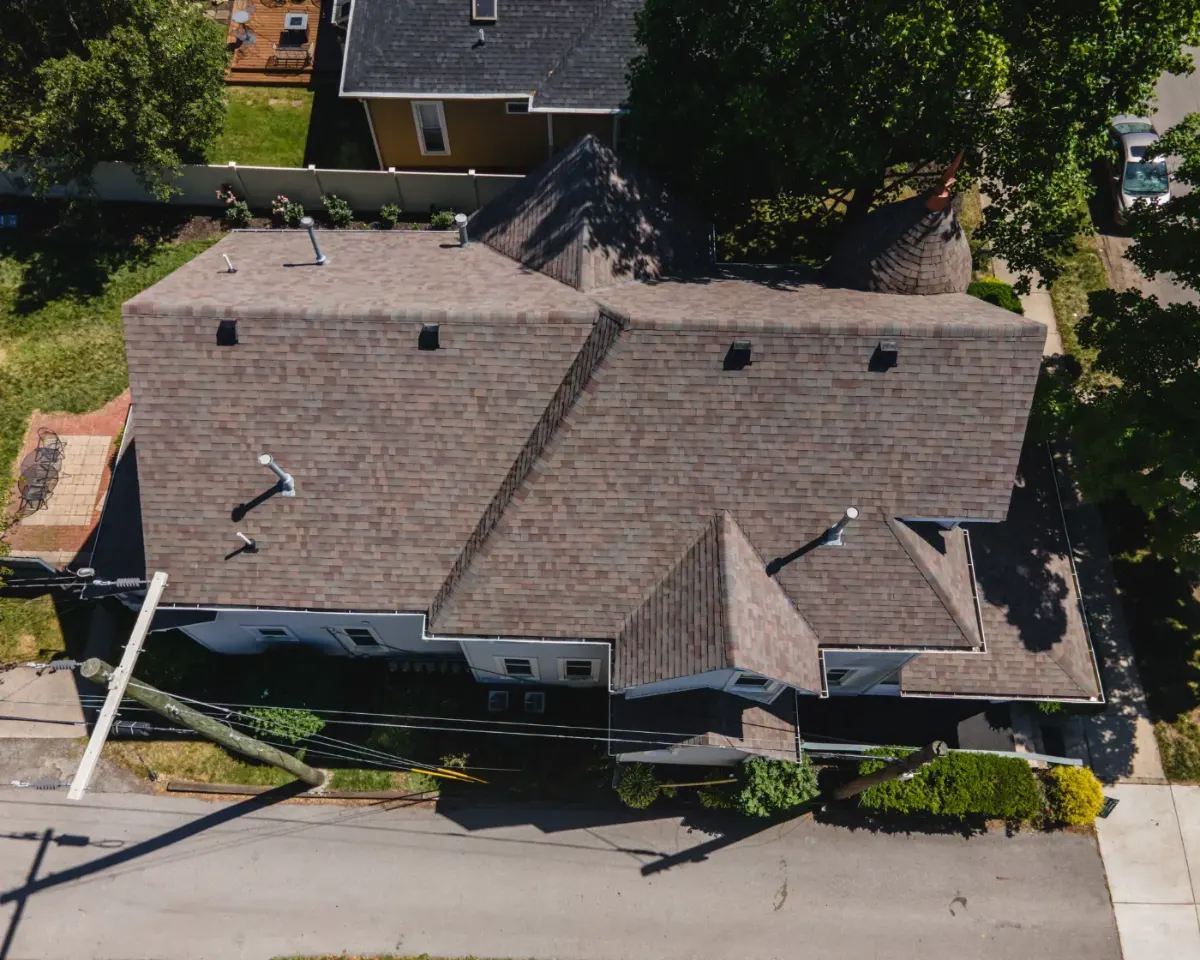
What we see most often on Glenwood roofs
Glenwood homeowners typically call us about these scenarios.
Roof Leaking After a Storm
Wind lifts shingle tabs and breaks seal strips, and the leak often shows up rooms away from the entry point as water tracks along decking and framing. Glenwood storms produce exactly this call every spring. Glenwood Roofing traces the actual entry point, documents wind damage to carrier standards, and repairs the field, not just the stain on the ceiling.
Porch Roofs Too Flat for Shingles
Porch and addition roofs are usually shallower than the main slopes. A shingle roof sheds water downhill by overlapping; it does not hold water back, so wind-driven rain in a Glenwood storm gets under the laps and shows up along the wall inside. Glenwood Roofing tells you when the answer is a proper low-slope material instead of another course of shingles.
Attic That Runs Hot in Summer
An attic well above outdoor temperature is cooking the shingles from underneath and shortening the roof from the side nobody inspects. Intake and exhaust have to be balanced, not just present. Glenwood Roofing measures both, calculates what the attic actually needs, and explains why the shingle warranty depends on it.
Squirrels and Raccoons at the Roof Edge
Scratching overhead in a Glenwood attic usually starts with wood that was already soft. Squirrels and raccoons work a rotted rake board or the gap under a lifted shingle edge, and once the opening is chewed to size they come back to it every year. Glenwood Roofing replaces the board and rebuilds the edge detail, because stapling wire over soft wood buys you one season.
Granules Filling the Gutters
Heavy granule loss in Glenwood gutters means the shingle mat is losing its UV protection, the last stage before brittleness and cracking. Some shedding is normal on a new roof; steady accumulation on a 15 year roof is a countdown. Glenwood Roofing gives you a straight read on remaining life instead of an automatic replacement pitch.
Nail Pops Showing Through the Shingles
Decking expands and contracts through Glenwood temperature swings until fasteners back out and tent the shingle above them. Each pop is a pinhole today and a stained ceiling in two years. Glenwood Roofing resets the fasteners, reseals or replaces by condition, and photographs the pattern so next year has a baseline to compare against.
Three Simple Steps
Free inspection first, then a disciplined sequence that carries each Glenwood Roofing project all the way to completion.
Free Inspection
Our review of your roof includes photo documentation of conditions and a direct, practical explanation of what turned up. Inspection times are set to fit your schedule.
Transparent Estimate
Written outlines spell out the work we recommend and why each piece helps your property. Pressure isn't part of it, and the options get explained slowly enough to actually think about.
Quality Installation
Property gets respected, timelines stay consistent, and the crew works attentively. Registering the manufacturer warranty in your name is on us.
Glenwood on Our Second Opinion
4.9 stars across 2,307+ Google reviews.
"Roof inspection for our home sale. The report was detailed enough that buyers accepted it as part of due diligence without ordering their own. Saved us about a week of closing time."
"Inspected our home before purchase. Caught two items we used in negotiation that saved us more than the inspection took to schedule. Plus the report gave us confidence the roof had real life left."
"Quick repair on storm damage that got us through hail season. They recommended a full inspection in spring which we have scheduled. No upsell on the immediate repair."
FAQ for Glenwood Roof Replacement
Straight answers to the questions Glenwood homeowners ask most.
Indiana Weather Affects Roofs Year Round
Maintenance, repairs, and replacement work all get planned around the weather here, because Indiana runs through more of it than almost anywhere in the country. A Glenwood homeowner sees hail and severe thunderstorms in spring, UV exposure over the summer, wind storms in fall, and freeze thaw cycles all winter.
Hail Bruising And Shingle Cracking
Central Indiana sees hail regularly, and even modest stones bruise asphalt shingles by fracturing the mat under the granules. Those bruises turn into cracks, cracks turn into leaks, and by then the damage clock has been ticking for months. When called in after a hail event, we inspect the roof for bruising patterns and document each hit with photos.
Wind Lifting And Tearing Shingles
Straight line winds have knocked down trees in Rush County, and the same winds lift shingle tabs on Glenwood homes. Once the sealant strip breaks, shingles flap in every subsequent gust and eventually tear off, exposing the underlayment. We check tab adhesion, replace torn shingles, and reseal areas that are compromised but salvageable.
Ice Dams Backing Water Up
When central Indiana snow melts on a warm roof and refreezes at the cold eaves, ice dams form and push meltwater backward under the shingles. That water finds nail holes and seams the roof was never designed to shed water through. We address ventilation, insulation contact at the eave, and any underlayment failures we uncover.
Granule Loss On Aging Roofs
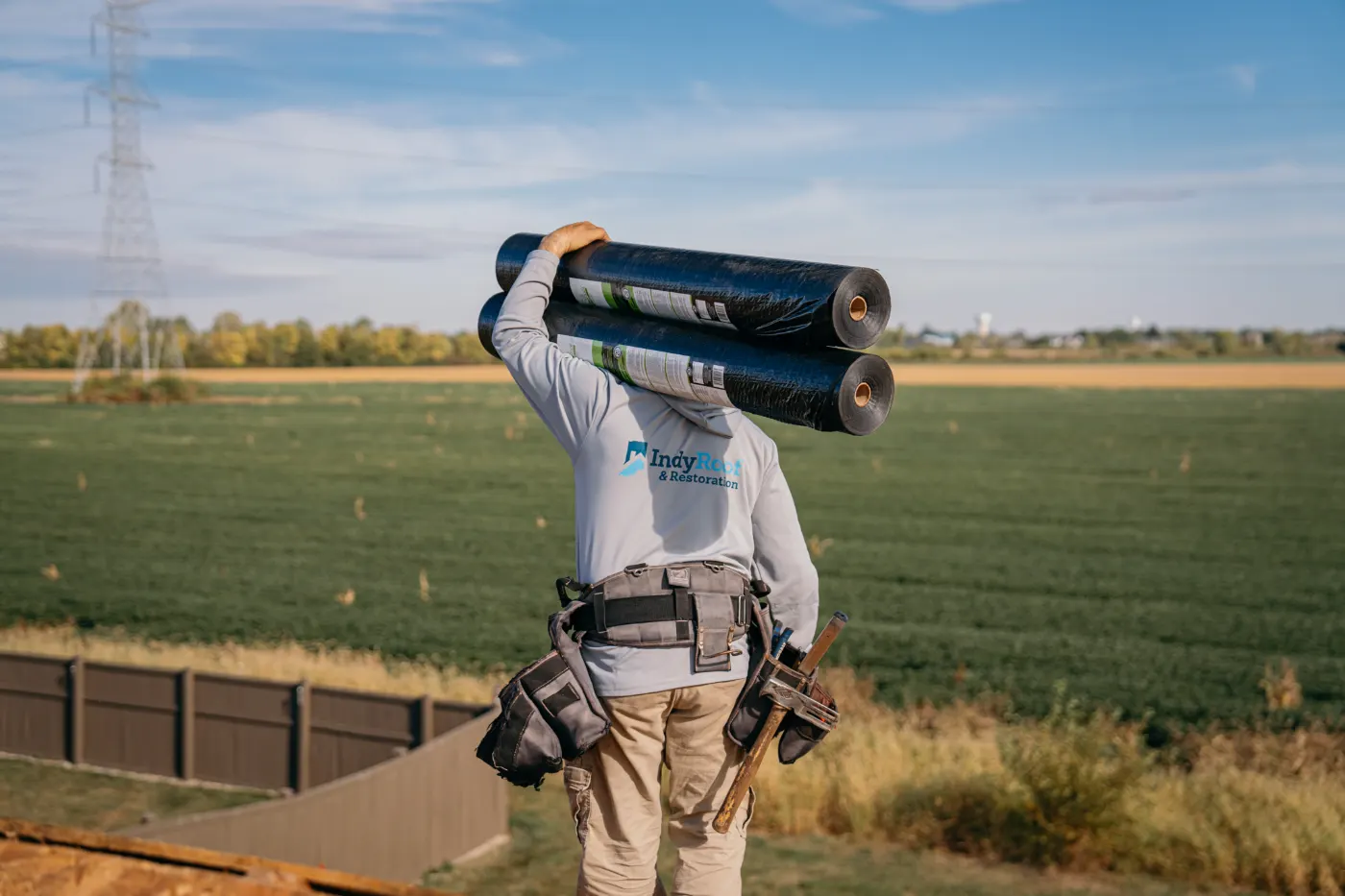
Many Glenwood roofs are past the 20 to 25 year window, and the surest sign is granules collecting in gutters and at downspout splashes. Once the granule layer thins, UV eats the asphalt directly and the shingle brittles quickly. We measure remaining service life honestly and tell you if repair still makes sense or if replacement is the smarter call.
Choosing the Right Roof for Glenwood Homes
An honest breakdown of the three systems we install most frequently.
Architectural asphalt shingles are the practical default for most Glenwood roofs, and for good reason. They balance upfront cost against curb appeal, hold up dependably to central Indiana wind and rain, and come in enough color options to match nearly any exterior. Manufacturer warranties on architectural shingles typically run decades when installed correctly, which is where installation quality matters more than brand marketing. Compared to the old three tab shingles common on older Glenwood roofs, architectural profiles have thicker layers, better wind ratings, and a dimensional look that reads as an upgrade from the street. For most homeowners in Rush County, this is the right first conversation.
Class 4 impact resistant shingles are built specifically to take hail hits that would bruise or crack standard architectural asphalt. Given central Indiana hail exposure and how often Glenwood sits under spring storm cells, that resistance matters. These shingles use a reinforced mat and modified asphalt that flex under impact rather than fracturing, which typically extends granule life and reduces the number of storm driven repair calls. Ask your insurance carrier whether your policy offers a premium credit for a Class 4 roof, some do and some do not, so it is worth a direct question before you assume a discount. The upfront cost is higher, the long run math often works.
Standing seam metal is the long haul option, with service lives that routinely run 40 to 60 years or more when installed properly. Concealed fasteners mean no exposed screws to back out over decades of thermal cycling, and the smooth panel surface sheds snow, ice, and debris that would otherwise sit on an asphalt roof. Upkeep is minimal compared to shingles, mostly occasional inspections of seams and penetrations. The tradeoff is honest: standing seam metal costs meaningfully more upfront than architectural asphalt, sometimes double or more. What you are buying with that premium is decades of very low maintenance and a roof that will likely outlast the next owner of the home.
Roofing Work We Take On Around Glenwood
Roof Inspections
If wind or hail has come through Glenwood, an inspection is the step before any claim. We look for the bruising, creasing and impact marks an adjuster is trained to find, and we photograph each one with a reference so its location is obvious. Then you decide.
Filing isn't automatic, and we will say when damage looks too light to be worth the deductible. When it is worth filing, you hold documentation dated before the claim, which makes the conversation with your carrier shorter and a good deal less frustrating.
Roof Inspections in Glenwood ›Roof Repair
Once a repair is finished, the crew walks the ground with a magnet, clears the gutters of debris we created, and hauls off the old material. Then somebody walks you through the pictures. If the work carries a workmanship warranty, that comes to you in writing along with the invoice.
We also point out what to watch for, since one repair does not freeze a roof in time. Most Glenwood homeowners hear from us again in a few years, and by then they know exactly what their roof has already been through.
Roof Repair in Glenwood ›Emergency Roof Repair
These calls cluster around a few kinds of weather in Glenwood. Spring and summer bring straight line wind and hail that strip shingles in minutes. Late fall storms drop limbs onto roofs already carrying wet leaves.
Winter brings ice at the eaves, where melt refreezes and backs water up under the shingles until it finds a ceiling. Each arrives fast and without warning.
Because these events hit whole streets at once, the phone rings for days afterward, and the households that call first are the ones covered first. Keeping a roofer's number somewhere handy is worth more than it sounds.
Emergency Roof Repair in Glenwood ›Roof Replacement
Before quoting a replacement, we measure the roof, count the layers, note the pitch and study how the whole thing is put together. Complexity matters as much as size: valleys, dormers, chimneys and skylights each add labor. We inspect the decking where we can, and warn you that soft boards sometimes stay hidden until the old shingles come off.
Ventilation gets examined too, since intake and exhaust decide how long the new roof lasts. Then we walk your Glenwood home and explain what we found in order of importance, so the quote makes sense when it arrives.
Roof Replacement in Glenwood ›Designer Roofing
This is not a different kind of protection. A well installed standard shingle keeps water out of a Glenwood house just as reliably. What you are buying is dimension, color depth and a heavier profile that reads more like slate or wood from the ground.
Some products also carry stronger wind and impact performance, which matters around here, but that is not automatic and depends on the shingle itself. We won't dress up an appearance upgrade as a safety upgrade. You deserve to know which one you are paying for.
Designer Roofing in Glenwood ›Cut-Up Rooflines Around Glenwood
Some houses are essentially one big plane with a ridge across the top, and some look like several roofs that happen to share an address. The second kind takes longer, costs more to do properly, and hands water many more chances to find a way in.
Valleys are the main reason. Where two planes meet, everything that lands on both of them funnels into a single channel, and the volume moving through there during a hard rain is far greater than anything the open field ever sees.
Dormers put walls on a roof, and any place a roof runs into a wall needs step flashing woven in course by course as the shingles go on. Where that wall ends at the eave, a kick-out piece has to throw the water out into the gutter instead of behind the trim. It's a small bent piece of metal that gets skipped constantly, and the damage it prevents is expensive, because the water goes down inside the wall cavity where nobody notices it for a long time.
Then there are the shallow pieces. Porch roofs, sunroom additions, and the section over a bay window often sit at a pitch too low for standard shingles to shed the way they need to. Those areas call for a different covering, or at absolute minimum a full membrane beneath, and a bid that treats them exactly like the steep part of the house is either careless or counting on you not to ask.
All of this shows up as time. A busy roof means more starter course, longer ridge and hip runs, more waste from cutting into valleys, and far more hours spent on detail that a simple gable never asks for.
When you compare written estimates on a house like that, look at whether the flashing and the shallow slope work are called out on their own lines. If they're folded into one number with everything else, you have no way to know whether they were priced or simply forgotten.
Taking Your Time After the Inspection
When the visit ends you should be under no more obligation than you were before we pulled up. That isn't a courtesy line. It's the only sensible way to sell a roof, because a homeowner who felt pushed spends the whole job waiting to be taken advantage of, and that's a miserable few days for everybody involved.
So the estimate goes to you with a date on it and a plain note about what could move the pricing, usually material cost changes rather than anything to do with you. Take it to whoever you talk to about money.
Sleep on it through a couple of weekends if that's what you need. We follow up once, maybe twice, and then we leave it alone until you get in touch.
We expect you to get other bids, and we would rather you did. What we ask is that you compare them on the same terms. Look at whether each one states the layers coming off, whether there's a decking allowance with a rate attached, whether flashing is itemized by location or hidden in a lump, and whether the ventilation plan is written down.
A bid that leaves all of that blank usually isn't the cheaper one at all. It has simply moved the decisions to a day when the roof is already open and you have very little room to argue about anything.
If you want help reading somebody else's proposal, bring it to us and we'll go through it with you honestly, including the parts where their approach is defensible or plainly better than ours. We have pointed homeowners toward another company more than once when the fit was clearly better, and we have never regretted it. A roof stays on a house for a long time, and choosing who builds it is worth a couple of weeks of ordinary thinking instead of one evening under pressure.
Call with as many questions as you want while you work through it. Nobody here keeps score of how long a homeowner takes to decide.
Before You Sign and While the Glenwood Job Runs
The questions split neatly into two groups, and mixing them up is how people end up frustrated. Before you sign, the questions are about scope and accountability.
What exactly is coming off, what is going back on, who is doing it, what happens when the wood is worse than expected, and what the workmanship coverage says in writing. Those all have to be settled while you still have the option of hiring somebody else, because afterward they become requests rather than terms.
Once the job is scheduled, the questions become logistical, and they're worth asking a few days out. What time does the crew arrive and how many days is this expected to take. Where should the dumpster sit and where do you need cars moved from.
Will the material be delivered ahead of time and is it going on the roof or in the driveway. Does anybody need to be home, and how does the crew get to the attic if there's work to do inside.
During the job, the useful questions are short and specific. At the end of the first day, once the tear-off is done, ask what the deck looked like and ask to see the photographs while the roof is still open.
That's the moment when everything hidden becomes visible, and it's the last chance to see it for another few decades. If anything is being added to the price, that is when you should be hearing about it, well before the last day.
After the last shingle goes on, there are only a couple left. Walk the property with the lead, look at the flashing details up close where you can reach them, and get the final paperwork including the workmanship terms and whatever registration the material coverage requires.
Ask when the town inspector is coming if a permit was pulled. Then keep the folder somewhere you will find it, because the next person to need it might be a buyer's inspector some years from now.
Freeze, Thaw and What It Costs You
The single hardest thing on a roof in this part of the state isn't the coldest night of the year or the hottest afternoon. It's the number of times the temperature crosses back and forth over freezing, which around here happens constantly from late fall through early spring.
Water gets into a small gap during the warm part of the day, expands when it locks up overnight, and makes the gap slightly bigger. Repeat that dozens of times a winter, over many winters, and small becomes structural.
You see the result in specific places. Nail heads that have worked their way up a fraction at a time until they push against the shingle above. Sealant joints around a chimney that were tight when they were installed and now show hairline cracks running the length of the bead.
Mortar in the chimney crown itself, which soaks up water and comes apart in flakes. The exposed edge of plank decking at the eaves, which swells and shrinks until the fasteners no longer have anything solid to hold.
Material matters here too. An older shingle that has lost most of its granules absorbs and releases moisture much more readily than a new one, so the freeze and thaw cycle accelerates its decline. That's why roofs in this region often look fine for many years and then seem to fall apart in the space of two or three seasons.
Nothing sudden happened. The material simply crossed the point where it stopped shedding water quickly, and the winters did the rest.
The practical response isn't complicated. Keep water moving off the roof and out of the gutters so it has less opportunity to sit and freeze, keep the attic cold and dry so the roof deck stays the same temperature as the air outside, and deal with cracked sealant and lifted fasteners while they are still small enough to be repairs. None of it is glamorous work, and all of it buys years.
Why a Cheap Glenwood Bid Is Cheap
A bid well below the others is not a mystery, and it is usually not generosity. Something has been left out, and since almost none of it is visible once the roof is finished, the difference doesn't show up until later.
The most common omission is the tear-off. Going over the existing roof saves a day of labor and an entire disposal bill, and it also means nobody looks at the deck, the new fasteners never reach solid wood, and the whole assembly carries weight it wasn't framed for.
The next place to look is the deck line. A bid with no decking allowance isn't a bid that expects good wood. It is a bid that has moved that conversation to the day when your roof is open, the dumpster is in the driveway and rain is coming.
The same trick shows up with flashing. Reusing the existing metal at a chimney or a sidewall saves real money and real hours, and it puts decades old material under a brand new roof, which is where the leak will come from.
The details thin out from there. Starter course replaced by cut up field shingles. Ice membrane reduced to a narrow strip or skipped entirely.
Ridge caps cut from three tab material rather than the proper piece. Nothing at all done about ventilation. Fewer fasteners per shingle than the instructions call for, which is invisible until a wind event and also quietly voids the material coverage you thought you were buying.
And then there's what stands behind the price. Insurance that does not cover everyone on the roof, no permit pulled where the town wanted one, no office to call in a few years, and a workmanship promise from a company that changes names every couple of seasons.
We are not the cheapest bid on most houses and we don't try to be. What we'll do is tell you precisely what is in ours, so you can find out what's missing from the other one.
The Questions We Hear Around Glenwood
Serving Every Part of Glenwood
Our completed roofing work spans Glenwood neighborhoods and the areas nearby. Choosing a neighborhood pulls up the specifics we've collected from jobs there.
Where we respond near Glenwood
Indiana-licensed crews dispatched to Glenwood and the closest surrounding communities.

Roofing Systems Compared in Glenwood
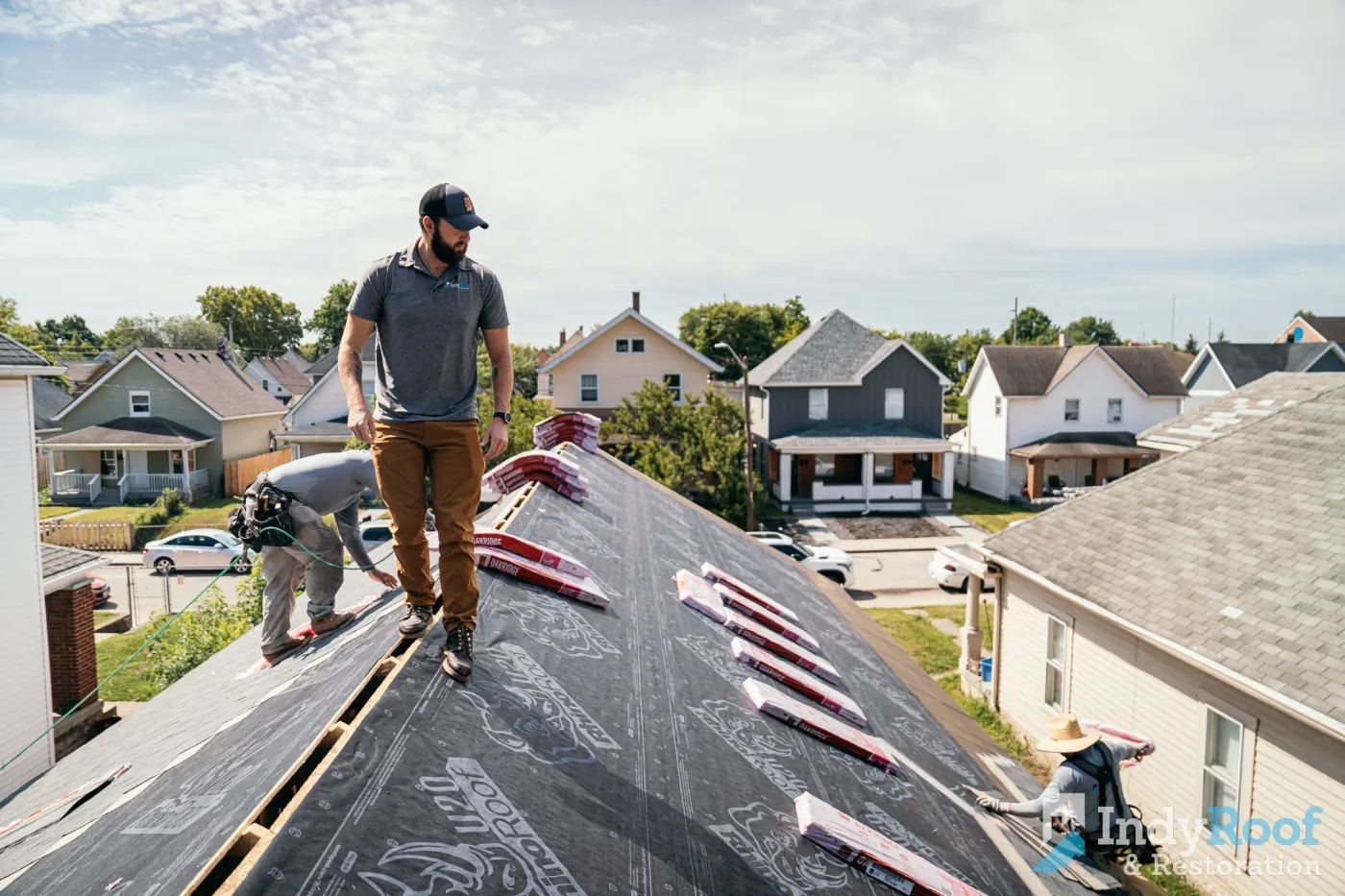
A quick look at the four residential systems we put on most homes, priced the way typical Glenwood installations run.
As of 2026 these figures reflect what the Glenwood market typically runs. A plus sign attached to the top of a range signals that findings from the inspection could take your project above the listed maximum. Ask for the written scope and quote, which is free.
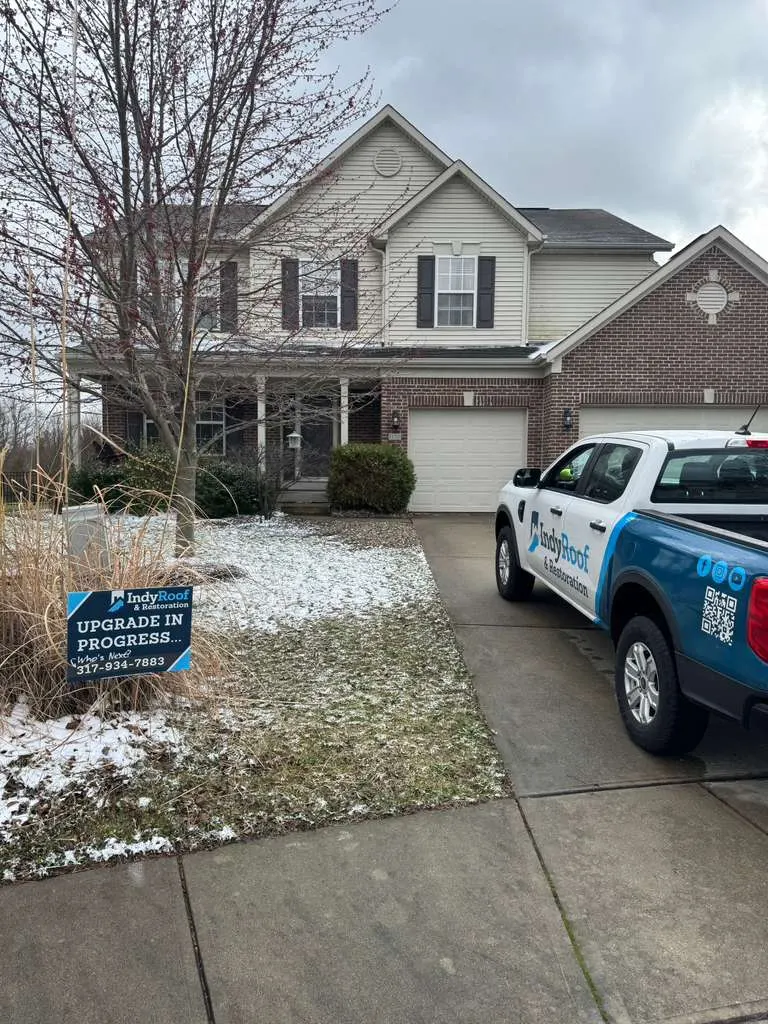
Glenwood Roofing is powered by Indy Roof & Restoration
No lead resellers and no middlemen: Indy Roof & Restoration operates this site and performs the work. 2018 is when they started in central Indiana, and Glenwood has been in the service area ever since. Check the reviews yourself: 2,307+ of them, verified on Google, averaging 4.9 stars.
Licensed and insured · License #RC21100059
Credentials and ratings include Owens Corning Preferred Contractor, Malarkey Certified Contractor, BBB A+ Accredited and Google Google Guaranteed. Their work has drawn coverage from FOX59, WISH TV, and RTV6.
Expert Glenwood Roofing Crews Available Now
Whether a recent storm hit your roof, your Glenwood shingles are showing their age, or you are planning replacement before problems start, now is the right time to have someone look at it. Schedule a free inspection with Glenwood Roofing, no obligation, and we document everything you need for a claim.